

丘比特的圈套


分类: 天才冲冲冲
僵尸先生
高校AI作弊泛滥成灾!线上考试形同虚设,学位含金量大跳水_我的网站

一 |
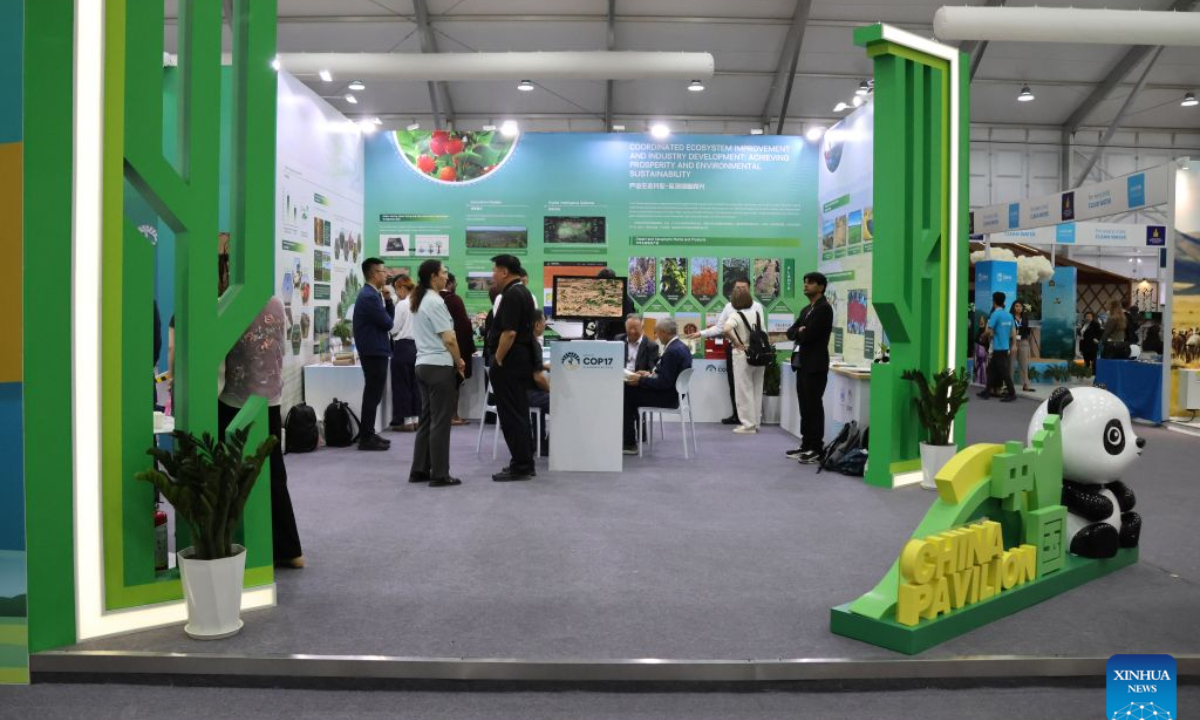
Held under the overall theme of COP17, "Restoring Land, Restoring Hope," the exhibition presents China's efforts and achievements in combating desertification through five chapters across three dimensions.
Chapter 1: The Great Green Wall - Strengthening the Ecological Security Barrier in the North
Since 1978, China has launched a series of major ecological projects, including the Three-North Shelterbelt Forest Program (TSFP), widely recognized as the world's largest afforestation program. The TSFP was launched in 1978 and is scheduled to run until 2050. It is being implemented in eight phases, with the program currently in its sixth phase.
Since the implementation of the TSFP began, forest and grassland coverage in the project area has reached 40.76 percent, while the treatment rate of desertified land has reached 67.82 percent.
Chapter 2: Prairie Conservation and Restoration - Bringing Grasslands Back to Life
Since the 14th Five-Year Plan period, China has rehabilitated and restored nearly 15.33 million hectares of degraded grassland.
In addition, nearly 80.66 million hectares of grassland have been restored through measures such as grazing bans and enclosure, benefiting approximately 12 million farmers and herders.
Chapter 3: International Cooperation - Building a Green Community with a Shared Future
Upholding the concept of a community of life on Earth, China has established desertification cooperation platforms with Arab countries, Mongolia, and Central Asian countries. It has also supported Belt and Road countries in their efforts to combat desertification, sharing Chinese experience and solutions for global ecological governance.
Chapter 4: Scientific Prevention and Control - Combining Knowledge and Technology to Enhance Governance Efficiency
China adheres to an integrated approach to the protection and systematic management of mountains, rivers, forests, farmlands, lakes, grasslands, and deserts. It adapts measures to local conditions, prioritizes water-efficient approaches to ecological restoration, and implements targeted treatments in different areas.
In terms of technological advancement, the utilization rate of high-quality seeds has exceeded 75 percent, while the mechanization rate of sand control has reached 50 percent. The application of new equipment has increased the efficiency of sand-control operations by more than threefold.
Chapter 5: Coordinated Development of Ecological Industries - Achieving Green Prosperity Together
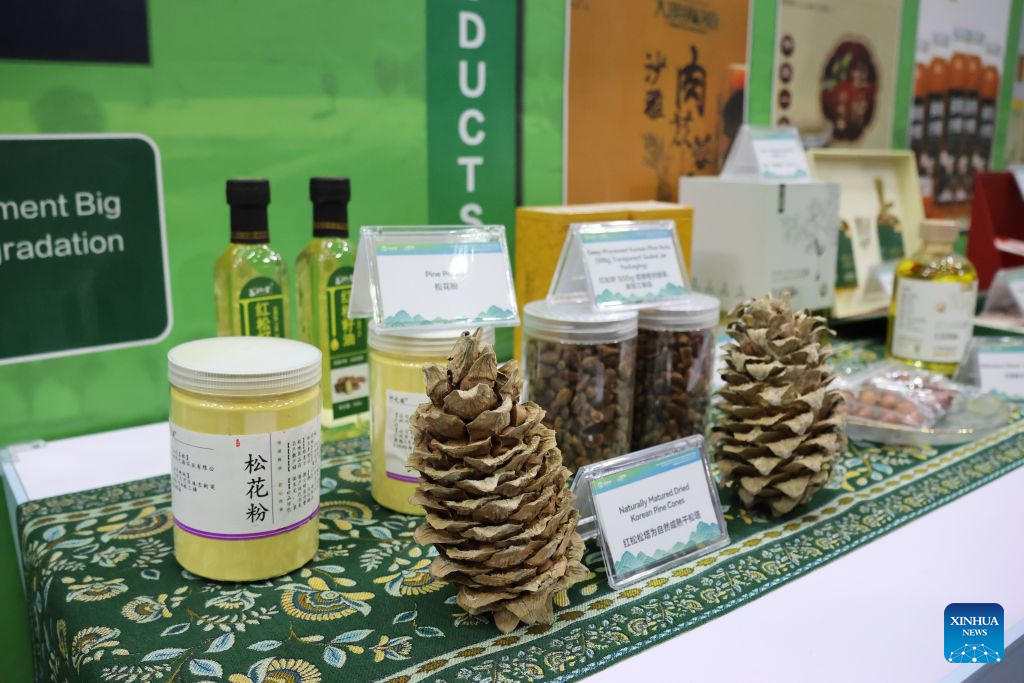
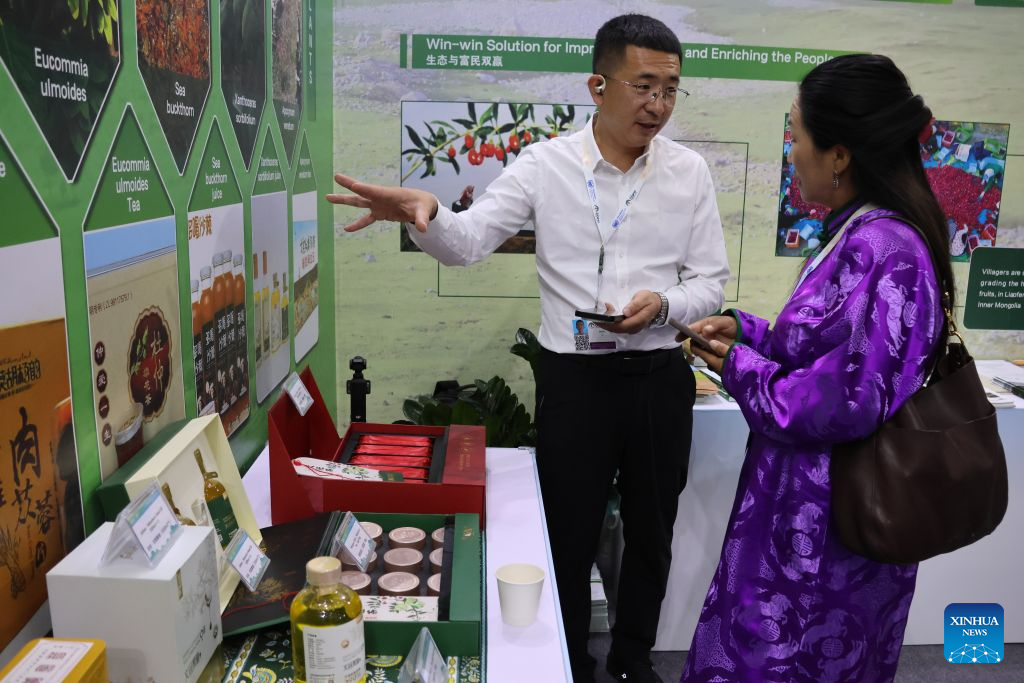
China has developed ecological industries and ecotourism initiatives tailored to local conditions, promoting the integrated development of ecological protection, industrial growth, and improvements in people's livelihoods. These efforts have helped transform desert and sandy areas into "green homes," enabling local communities to increase their incomes and achieve greater prosperity.
China has seen a continuous decline in the areas affected by desertification and land salinization, becoming the first country in the world to achieve "zero growth" in land degradation. Approximately 53 percent of manageable salinized land has been effectively treated, making China a global leader in ecological restoration.
During COP17, which runs through Aug. 28, the "China Corner" will also host a series of thematic side events to facilitate exchanges on ideas, technologies, and practices for combating desertification.

。

二 |

三 |

图源:豆包AI生成英国前商务大臣文斯・凯布尔爵士给报告写了序言,他说大学现在必须抓紧时间、大刀阔斧地改革考核体系,才能应对 AI 带来的挑战。脆弱的考核方式文斯爵士警告,用 AI 作弊正在慢慢耗干大学学位的含金量,而且对老老实实守规矩的学生来说,实在太不公平,吃亏吃大了。

四 | 报告作者是斯旺西大学医学院的神经科学家菲尔・牛顿教授。他调研后发现,英国的大学根本没跟上 AI 时代,考核方式一点都没更新 —— 还在大量用容易钻空子的模式,比如带回家写的课程论文、无人监考的远程考试,反而不怎么推行有人监督的线下考核。2024 年,牛顿教授向全英国所有大学提交了信息公开申请,最后统计出:78% 的大学都在给学生安排线上远程考试,但只有 10% 的学校配了线上监考。所谓线上监考,一般就是考试时要求学生开摄像头、录屏幕,盯着有没有人作弊。

图源:豆包AI生成当时的数据还显示,有 70% 的大学打算接着沿用线上考核。

五 | 还有不少大学官网直接明说自己有线上考试,但半句不提监考措施。而现在已经有好多研究证实,大学生用 AI 应付作业和考试,早就成了普遍现象。英国高等教育政策研究所今年 3 月的调查显示,94% 的学生都承认,自己完成课程考核的时候用过生成式 AI。牛顿教授在报告里说,如果大学还想在 AI 时代保住办学自主权和存在价值,就得从根上重新设计考核方式。他建议,无人监考的线上考试必须立刻叫停,大学得优先用那些经得住考验、不怕 AI 钻空子的考核方法。老师也得好好培训他写道:“不管是线下还是线上、笔试还是其他形式,考核都得有人当面监督,这才该是常态。”除此之外,他还提了两个方向:一是得好好培训大学老师,让他们懂怎么设计靠谱、有效的考核;二是要给用人单位更详细透明的信息,说明毕业生当年是通过什么考核方式拿的学位。作为自由民主党前党魁,文斯爵士评价这份报告 “质量很高,来得也正是时候”。他在序言里写:“现在太多大学的考核体系,AI 一用就直接绕过去了,这么下去学位越来越不值钱,大学的教育作用也会被慢慢架空。”

图源:豆包AI翻译“更关键的是,那些不肯用 AI 作弊、踏踏实实学习的学生,和愿意走捷径的人比起来,反而吃大亏。认真学习虽然难,但收获是实打实的,现在却因为作弊的人变多,变得没了优势。”“要想让公众还信得过学位的含金量,还认可高等教育的社会价值,高校就得赶紧大刀阔斧地改考核方式。除非远程考试能做到百分百安全,不然就该换回线下考试。”牛津大学奥里尔学院院长门多萨勋爵也支持这份报告,说它点出了 “威胁学位标准公正性的一大新问题”。他写道:“期末考核大量用无人监考的线上考试和居家论文,本质上就是在怂恿学生用 AI 作弊。

六 | 对那些本本分分、守规矩的师生来说,这既不公平,也让人寒心。”针对这份报告,代表英国 142 所高校的 “英国大学联盟” 发言人回应说:“学生、用人单位和公众能信得过大学颁发的学位,这一点至关重要。各大学都在积极和学生沟通,引导大家负责任地使用 AI;如果有人违反规则,学校也有完善的政策来处理。”
Current article:http://5lbo5ux.runtunpaixufenjuduishuang.pics/list_13f/tm4ab.html
Published on:21:16:55
- 江西女贪官刘武爱落马,六毒俱全,主动投案,照片曝光,富贵逼人
- 乡村采摘“果”真有趣
- 湖人争取库明加 承诺首发位置+明年优厚合同
- Sora让人人都能当导演,但这些雷区你别碰
- 中消协提醒不宜仅参考AI决策!曾有人按AI建议退改签亏钱
- 新西兰副总理兼外长对中国甘肃地震表示慰问
- 岗位学雷锋 振兴新突破 同心学雷锋 统战在行动
- 新版《车用压缩天然气》强制性国标发布:明确甲烷值不小于 65,与欧洲标准一致
- Best Korean Movies on OTT: A Streaming Guide to The Finest Cinema From South Korea
- 启智润心丨让思政课出新出彩
- 速来!即日起中刮刮乐送双色球啦!
- 能当狗又能当人!全球首个可变形个人机器人启元T1开启预订
- 尼克斯未能续约麦克布莱德 球队薪资压力成主因
- 大雷御姐,红色紧身衣妖艳勾人!《魔兽世界》瓦莉拉手办欣赏
- China FA launches probe into alleged KFA 'inappropriate hospitality'


